If you have ever sent a customer a quote and then wondered when to issue the "real" bill, you have run into the proforma invoice vs tax invoice question. Both documents look similar, list the same goods or services, and show amounts in INR, but they serve very different purposes under GST. Understanding the difference protects your accounting, your tax filings, and your relationship with the buyer.
What is a proforma invoice?
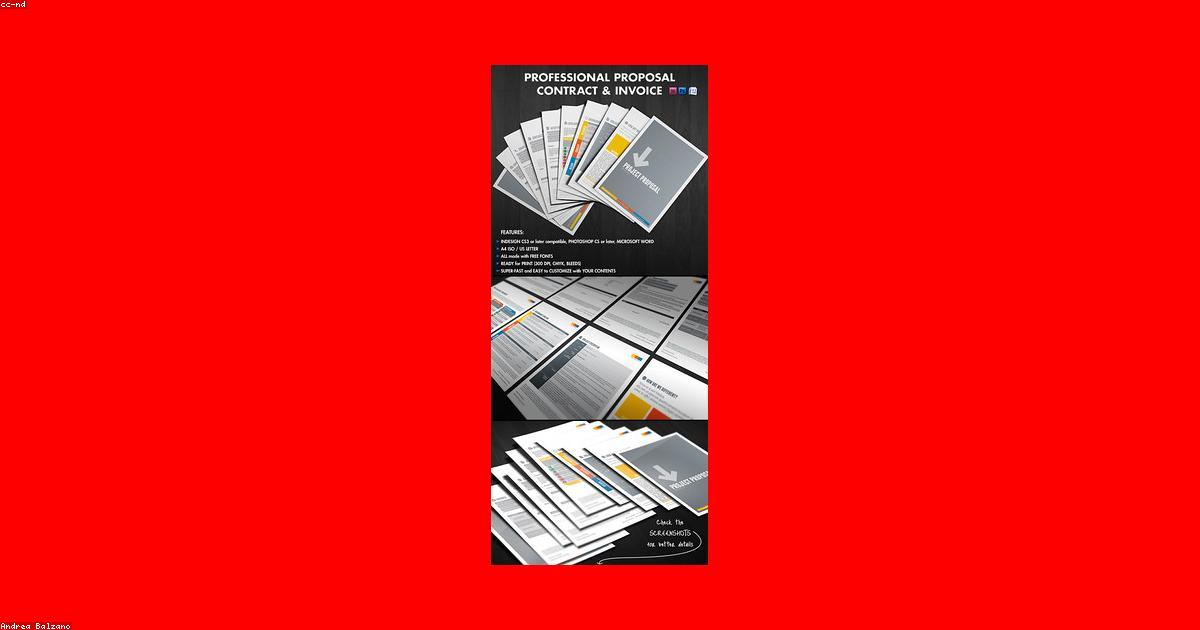
A proforma invoice is a preliminary document a seller sends to a buyer before a sale is confirmed. In plain terms, the proforma invoice meaning is "a good-faith estimate of what the final bill will look like." It describes the goods or services, the quantity, the expected price, applicable taxes, delivery terms, and validity period, so the buyer knows exactly what to expect if they go ahead with the order.
Think of it as a formal quotation dressed up to look like an invoice. It helps the buyer arrange a budget, raise an internal purchase order, apply for a loan or letter of credit, or seek management approval. For importers, a proforma invoice is often used to apply for an import licence or to open a bank guarantee.
Crucially, a proforma invoice is not a demand for payment and it does not record an actual sale. Nothing is entered into your books of account on the strength of a proforma invoice. No revenue is recognised, no receivable is created, and no tax becomes payable. It is simply a commitment of intent that can still be revised or cancelled before the deal closes.
What is a tax invoice?
A tax invoice is the legal GST document that records an actual supply of goods or services. Once you issue a tax invoice, the sale is real, the amount becomes legally due from the buyer, and your GST liability is triggered. Equally important, the tax invoice is the document your customer relies on to claim input tax credit (ITC) on the GST they paid you.
A compliant tax invoice must carry mandatory details such as your name, address and GSTIN, a consecutive invoice number, the date of issue, the customer's details, a description of the supply, the HSN or SAC code, taxable value, the GST rate, and the CGST, SGST/UTGST or IGST amounts. If any of these are missing, the document may not qualify as a valid tax invoice and the buyer's ITC claim can be challenged. For the full field-by-field breakdown, see our guide to the GST invoice format, or generate a compliant tax invoice free with our online tool.
Key differences (legal status, GST, timing)
The differences come down to three things: legal status, GST treatment, and timing.
- Legal status: A proforma invoice is a non-binding estimate with no accounting effect. A tax invoice is a binding legal document that records a completed or committed supply and creates an enforceable payment obligation.
- GST treatment: A proforma invoice has no GST consequences and cannot be used to claim or pass on input tax credit. A tax invoice is the basis on which GST is charged, paid, and credited.
- Timing: A proforma invoice is issued before the sale, when terms are still being negotiated. A tax invoice is issued at or around the time of supply, in line with the time-of-supply rules under GST.
A simple way to remember it: a proforma invoice asks "are you happy with these terms?" while a tax invoice says "the supply has happened, here is what you owe, and here is your tax credit."
When to use a proforma invoice
A proforma invoice is the right tool whenever you need to communicate price and terms before committing to the transaction. Common situations include:
- Sending a detailed quote to a prospective customer who needs to compare suppliers.
- Giving a buyer a document to raise their internal purchase order against.
- Requesting an advance payment or deposit before you begin work or ship goods.
- Supporting an import or export transaction where customs, banks, or licensing authorities need an indication of value.
- Confirming specifications, delivery schedules, and validity before production starts.
Because a proforma invoice can be revised freely, it is ideal for negotiation. You can update quantities, adjust pricing, or change delivery terms without disturbing your accounts or your GST returns. Only once both sides agree do you move on to raising the tax invoice.
Does a proforma invoice have GST?
This is the most common point of confusion, so let's be clear: a proforma invoice does not have GST in any legally meaningful sense. You may show the estimated GST on a proforma invoice so the buyer can see the likely total cost, but that GST figure is purely indicative. It does not become payable, it is not reported in any GST return, and the buyer cannot claim input tax credit against it.
GST liability and the corresponding ITC entitlement arise only when a valid tax invoice is issued (or when an advance is received, in which case specific receipt-voucher rules apply). If you collect an advance against a proforma invoice, you must follow the prescribed documentation for advances rather than treating the proforma itself as a taxable document. Because GST rules and forms are updated from time to time, always confirm the current requirements on the official GST portal at https://www.gst.gov.in before finalising your process.
How the proforma becomes a tax invoice
The journey from estimate to legal document is straightforward. Once the buyer accepts the proforma invoice and the supply is confirmed, you convert it into a tax invoice. In practice that means generating a fresh document with a proper consecutive invoice number, the issue date, and all the mandatory GST fields filled in correctly. The line items usually carry over unchanged, but the document now records a real, taxable supply.
At this point your obligations change. The GST shown becomes payable and must be reported in your outward supplies. Your customer can now claim input tax credit. If the final figures differ from the proforma, for example because quantities or prices changed, the tax invoice simply reflects the actual agreed values. And if you later need to correct a value after the tax invoice is issued, you would use a credit or debit note rather than amending the invoice; our explainer on the difference between credit notes and debit notes under GST walks through exactly when each applies.
Good invoicing software makes this conversion painless: you build the proforma once, and when the deal is confirmed it becomes a fully compliant tax invoice in a click, with sequential numbering and correct tax computation handled automatically. Invodo lets you create accurate proforma estimates and convert them into GST-compliant tax invoices without re-keying a thing. Create your free Invodo account and start sending professional, compliant invoices today.
Put this into practice with Invodo
GST-compliant invoicing, e-invoicing, and purchase management built for Indian businesses.
Invodo Editorial
Reviewed by a Chartered Accountant
The Invodo editorial team writes practical, India-specific guides on GST and business finance. Compliance content is reviewed by a practising Chartered Accountant.