A correct GST invoice is the foundation of getting paid and staying compliant. This guide covers every field a GST invoice must contain, the differences between B2B and B2C, and a simple template you can copy.
What is a GST invoice?
A GST invoice (or tax invoice) is the document a registered supplier issues for a taxable supply of goods or services. It records what was sold, to whom, and how much GST was charged — and it's what your customer needs to claim input tax credit.
Mandatory fields in a GST invoice
A compliant tax invoice must include:
- Supplier's name, address, and GSTIN
- A consecutive invoice number and the date of issue
- Customer's name, address, and GSTIN (for B2B)
- Place of supply and the state code
- HSN code for goods or SAC for services
- Description, quantity, and taxable value of each item
- Rate and amount of CGST, SGST/UTGST, or IGST
- Whether tax is payable on reverse charge
- Signature or digital signature of the supplier
B2B vs B2C invoices
For B2B supplies, the buyer's GSTIN is mandatory because they will claim input tax credit. For B2C supplies, the buyer is usually unregistered, so a GSTIN isn't required — though large-value B2C invoices have additional rules. We break this down fully in B2B vs B2C invoices under GST. If you cross the e-invoicing threshold, your B2B invoices must also be reported to the IRP; see our complete guide to GST e-invoicing.
CGST, SGST, and IGST: which applies?
For an intra-state sale (within the same state), GST is split into CGST and SGST. For an inter-state sale, a single IGST applies. Need to work out the split quickly? Use our free GST calculator.
Time limits for issuing an invoice
- Goods: on or before the time of removal or delivery.
- Services: within 30 days of providing the service.
Proforma invoices and other documents
Not every document you send is a tax invoice. A quote you send before a sale is a proforma invoice, which has no GST effect — see proforma invoice vs tax invoice to understand when each applies.
A simple GST invoice template
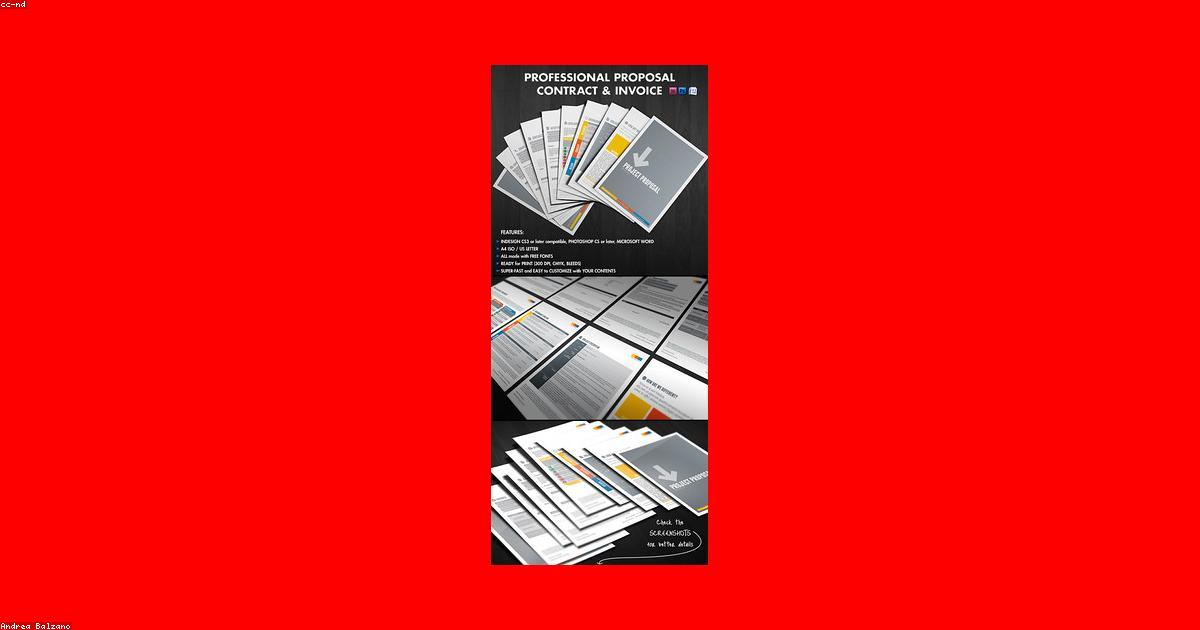
At a minimum, structure your invoice with a header (your details and GSTIN), the customer block, a line-item table (description, HSN, qty, rate, taxable value, tax), and a totals section showing the GST breakup and grand total. Keeping this consistent speeds up payment and reduces disputes — and a few small habits help even more, as we cover in tips to get invoices paid faster.
Want to skip the formatting entirely? Make a GST-compliant invoice free with our online invoice generator — fill in the details and download a ready-to-send PDF, no signup required.
Rather than format invoices by hand, create GST-compliant invoices automatically with Invodo — the right fields, tax split, and numbering, every time.
Put this into practice with Invodo
GST-compliant invoicing, e-invoicing, and purchase management built for Indian businesses.
Invodo Editorial
Reviewed by a Chartered Accountant
The Invodo editorial team writes practical, India-specific guides on GST and business finance. Compliance content is reviewed by a practising Chartered Accountant.