A goods receipt note (GRN) is the document that records exactly what your business received when a supplier's delivery arrives. It might look like a simple acknowledgement, but for any Indian business buying stock or raw materials, the GRN is the control that stops you paying for goods that never showed up, arrived short, or turned up damaged. This guide explains what a GRN is, what it records, and why it matters.
What is a goods receipt note (GRN)?
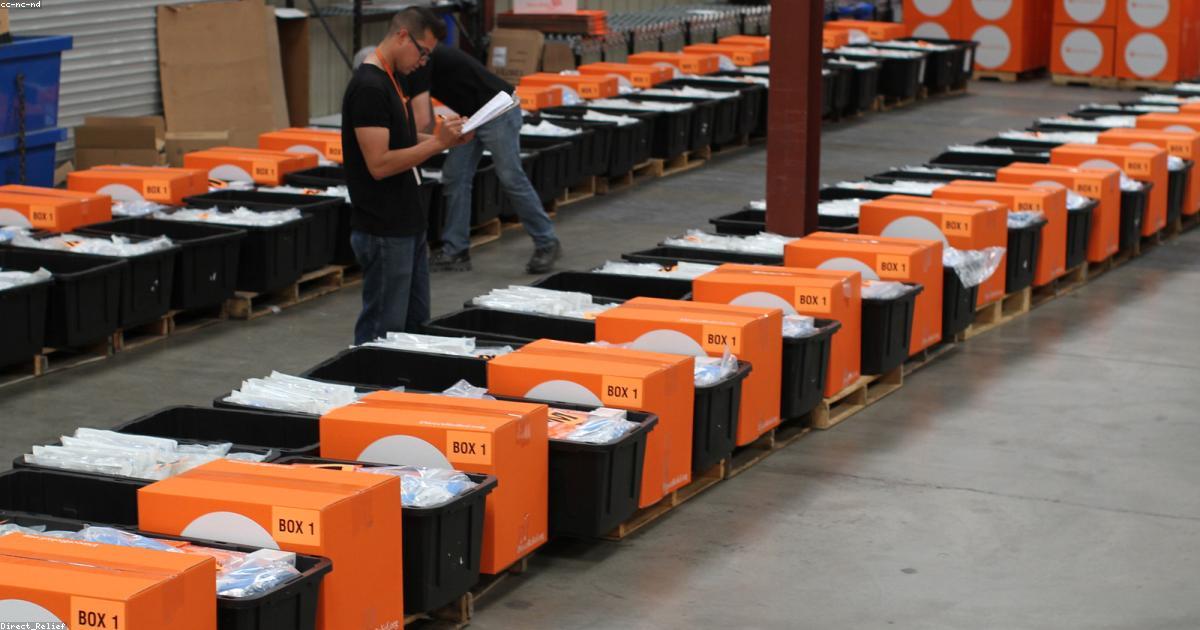
A goods receipt note is an internal document created by the buyer's warehouse or stores team at the moment goods are delivered. It confirms the quantity and condition of items actually received against the purchase order that was raised. In short, the GRN answers one question clearly: did we receive what we ordered?
The GRN is generated by you, the buyer, not the supplier. The supplier sends a delivery challan with the shipment and a tax invoice for payment, but the GRN is your own record of reality at the receiving dock. That distinction is what gives it value as a control.
What information a GRN records
A complete GRN captures enough detail to tie the delivery back to the original order and forward to the eventual payment. A typical GRN format includes:
- GRN number and date — a unique reference and the date of receipt.
- Purchase order reference — the PO number the delivery relates to.
- Supplier details — vendor name and the delivery challan or invoice number that accompanied the shipment.
- Item details — description, HSN code, quantity ordered, quantity received, and unit of measure for each line.
- Condition notes — any shortage, excess, damage, or quality rejection observed during inspection.
- Receiver details — the name and signature of the storekeeper who checked and accepted the goods.
The most important fields are quantity received versus quantity ordered, and the condition notes. These are what let your accounts team challenge a supplier bill that does not match what physically arrived.
Where the GRN fits in the purchase process
The GRN sits at a specific point in the procurement cycle, right between ordering and paying. The flow runs like this: a purchase request is approved, a purchase order is issued to the supplier, the goods are delivered and the GRN is raised, the supplier sends a tax invoice, and finally payment is released after verification.
Because it records what was actually received, the GRN becomes the bridge between the promise (the PO) and the bill (the invoice). Without it, accounts payable has nothing independent to check the supplier's invoice against, and the only options are to trust the bill blindly or chase the warehouse for confirmation after the fact.
Why the GRN matters (prevents paying for short or damaged deliveries)
The GRN matters because it protects your money. Suppose you order 1,000 units, but only 950 arrive and 20 of those are damaged. The supplier's invoice may still bill you for the full 1,000. If you pay against the invoice alone, you have just paid for 70 units you never usefully received.
With a GRN in place, your records show 930 good units received. When the invoice for 1,000 arrives, the mismatch is obvious and you raise a debit note or hold payment until it is corrected. The GRN gives you the evidence to push back, instead of arguing from memory.
There is also a GST dimension. Input tax credit can generally only be claimed on goods you have actually received. The GRN is your internal proof of receipt, which supports a clean and defensible ITC position if a query ever arises. The GRN is also the second of the three documents used in a payment control called three-way matching, where the PO, the GRN and the supplier invoice are compared before any payment is released.
GRN vs delivery challan vs invoice
These three documents travel together but serve very different purposes and are created by different parties:
- Delivery challan — created by the supplier and sent with the goods. It lists what the supplier claims to be dispatching and accompanies the consignment during transit.
- Goods receipt note — created by the buyer on arrival. It records what was actually received and in what condition, which may differ from the challan.
- Tax invoice — created by the supplier for payment. It carries the GST charged and is the basis for your input tax credit.
The simple way to remember it: the delivery challan is the supplier's claim, the GRN is your verification of that claim, and the invoice is the request to pay. When all three agree, payment is safe to release.
Best practices for goods receipt
A GRN only adds value if it reflects the truth at the dock. These practices keep your goods receipt process reliable:
- Count and inspect before signing. Never sign off on a delivery based on the challan alone; verify quantity and condition physically.
- Always reference the PO. Linking the GRN to the purchase order makes later matching and reconciliation effortless.
- Record discrepancies on the spot. Note shortages, excesses and damage immediately, with photos where helpful, so disputes are easy to settle.
- Raise the GRN promptly. Delayed receipts hold up vendor payments and distort your stock position.
- Keep GRNs digital and searchable. Storing them in one system, linked to the PO and invoice, means anyone can verify a payment in seconds.
- Separate the receiving and paying roles. The person who receives goods should not be the one approving payment, which reduces the risk of error and fraud.
Recording goods receipts on paper or in a spreadsheet works until volumes grow and the documents drift apart. Invodo keeps your purchase orders, goods receipt notes and supplier bills connected, so every payment can be checked against what was actually received. See how our procurement and goods receipt features can tighten control over your purchasing and protect every rupee you pay out.
Put this into practice with Invodo
GST-compliant invoicing, e-invoicing, and purchase management built for Indian businesses.
Invodo Editorial
Reviewed by a Chartered Accountant
The Invodo editorial team writes practical, India-specific guides on GST and business finance. Compliance content is reviewed by a practising Chartered Accountant.