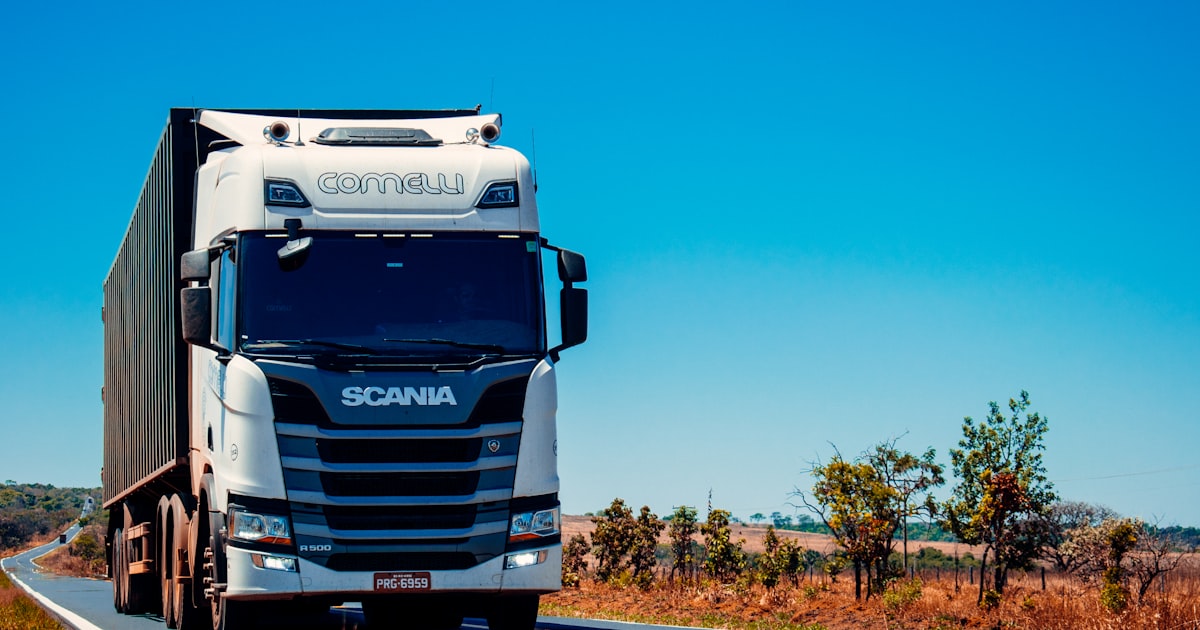
Getting the e-way bill limit right is the difference between a smooth dispatch and goods detained on the highway. The headline number most businesses know is ₹50,000, but the rules around limit, validity, distance, and extensions have important nuances. This article explains the value threshold, how e-way bill validity is calculated from distance, when you can extend a bill, how multi-vehicle and consolidated bills work, and the key exemptions to keep in mind.
The ₹50,000 e-way bill limit explained
As a general rule, an e-way bill is required when the value of goods being moved exceeds ₹50,000. This threshold is typically assessed per consignment and covers movements relating to a supply, a return, stock transfers between branches, and movements for reasons other than supply such as job work.
A few points often trip people up. The threshold looks at the consignment value, which generally includes the value of goods plus applicable GST, while excluding the value of any exempt goods in the same vehicle. Some states have also set their own limits and conditions for purely intra-state movement of specific goods, so the effective limit in your situation can differ from the general rule. Because these thresholds can be revised, always confirm the current value limit for your state and goods on https://ewaybillgst.gov.in or https://www.gst.gov.in. For the full picture of how e-way bills work end to end, see our complete e-way bill guide.
How e-way bill validity is calculated from distance
An e-way bill is not valid forever; its validity is tied to the distance the goods need to travel. As a broad guide, validity is calculated at approximately one day per 200 km (or part thereof) for standard cargo, with longer allowances historically applied to over-dimensional cargo. So a short local delivery may carry one day of validity, while a long inter-state haul carries several days.
The validity clock generally starts when Part B is first entered, not when Part A is filled. The distance itself is often auto-calculated by the portal from the dispatch and delivery pin codes, though you may be able to declare actual distance within permitted limits. Because the exact day-per-distance formula and the treatment of over-dimensional cargo can change, treat these figures as approximate and verify the current validity rules on https://ewaybillgst.gov.in.
Can you extend an e-way bill?
Yes. If goods cannot reach their destination within the validity period due to genuine reasons such as a vehicle breakdown, natural calamity, or transhipment delay, the e-way bill can usually be extended. Extension is permitted within a defined window around the expiry time, and you are typically required to state the reason and the remaining distance.
The practical advice is simple: do not let a bill lapse and continue moving goods on it. Track expiry against your delivery timelines, and if a delay is likely, extend the bill within the allowed window rather than risk transit on an expired document. Confirm the current extension window and procedure on https://ewaybillgst.gov.in.
Multi-vehicle and consolidated e-way bills
Real-world logistics rarely fit one bill to one vehicle, so the system supports a few variations:
- Updating the vehicle (Part B): if the same consignment changes vehicles mid-journey, you update Part B with the new vehicle number so the existing bill stays valid.
- Multi-vehicle movement: where a single consignment under one invoice is split across several vehicles from a transhipment point, the portal allows you to record the movement across multiple vehicles against the same bill.
- Consolidated e-way bill: when a transporter carries several consignments in one vehicle, they can generate a single consolidated e-way bill that groups the individual EBNs, making it easier to carry and verify them together.
If you are unsure which mechanism applies, our step-by-step walkthrough on how to generate an e-way bill covers filling Part B and handling vehicle updates in detail.
Key exemptions from e-way bills
Some movements do not require an e-way bill even above the value threshold. Common categories include:
- Transport of certain specified and exempt goods notified by the government.
- Goods carried by non-motorised conveyance.
- Goods moved from a port, airport, air cargo complex, or land customs station to an inland container depot or container freight station for customs clearance.
- Certain movements within notified areas, and consignments below the applicable value limit.
The exempt list is notified centrally and by states and can change, so never assume a movement is exempt without checking. Confirm the current exemptions for your goods and route on https://ewaybillgst.gov.in or https://www.gst.gov.in before dispatching without a bill.
Limits, validity, and distance rules are easy to get wrong when you track them by hand. Invodo calculates and manages your e-way bill details alongside your GST invoices, so the right value, distance, and validity travel with every consignment. Explore what you can automate on our features page and keep every dispatch compliant from the first kilometre.
Put this into practice with Invodo
GST-compliant invoicing, e-invoicing, and purchase management built for Indian businesses.
Invodo Editorial
Reviewed by a Chartered Accountant
The Invodo editorial team writes practical, India-specific guides on GST and business finance. Compliance content is reviewed by a practising Chartered Accountant.